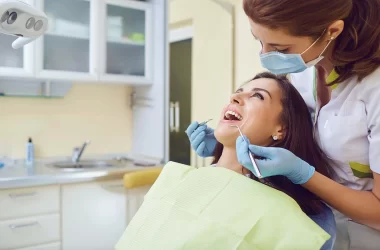


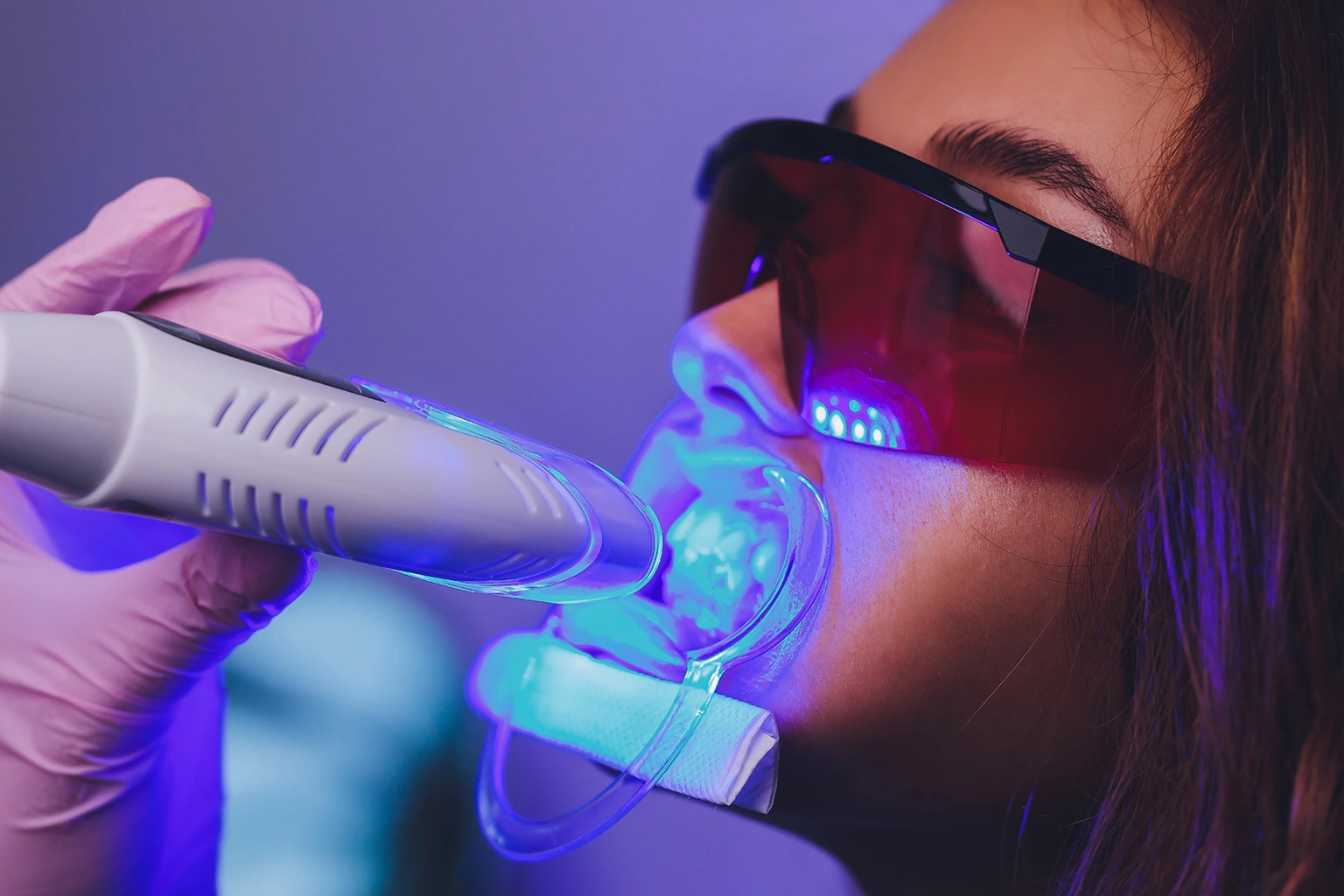

Laser dental cleaning, also known as laser periodontal therapy, is a deep cleaning procedure that utilizes laser technology to remove plaque, tartar, and bacteria from the teeth and below the gum line.
The laser light utilizes its focused energy to break down and eliminate buildup, unlike traditional methods that rely on the use of metal tools for deep cleaning tasks such as scaling and root planing.
Compared to traditional dental cleaning, the procedure is minimally invasive and more precise, as it is effective for hard-to-reach locations in the mouth. However, not all dental cleaning procedures can be done using lasers.
Some—like tooth shaping or polishing fillings—are best achieved using traditional tools.
Read also: Here’s Everything to Know About Dental Bone Grafting: Is It Right for You?
The Difference Between Traditional and Laser Dental Cleaning
In traditional dental cleaning, metal tools are used to scrape plaque and tartar from the teeth and below the gumline in processes known as scaling and root planing, respectively. It requires a local anesthetic and can be painful.
Patients recover over several days and often experience swelling, sensitivity, and bleeding in their gums as they recover. However, laser dental cleaning is less invasive and more precise.
Laser penetrates the hard and soft tissues in the mouth, making it easy, for example, to clean below the gumline without pulling back gum tissue. Thus, the patient suffers little discomfort and damage to the mouth and recovers in relatively few days from the procedure.
How Laser Dental Cleaning is Done
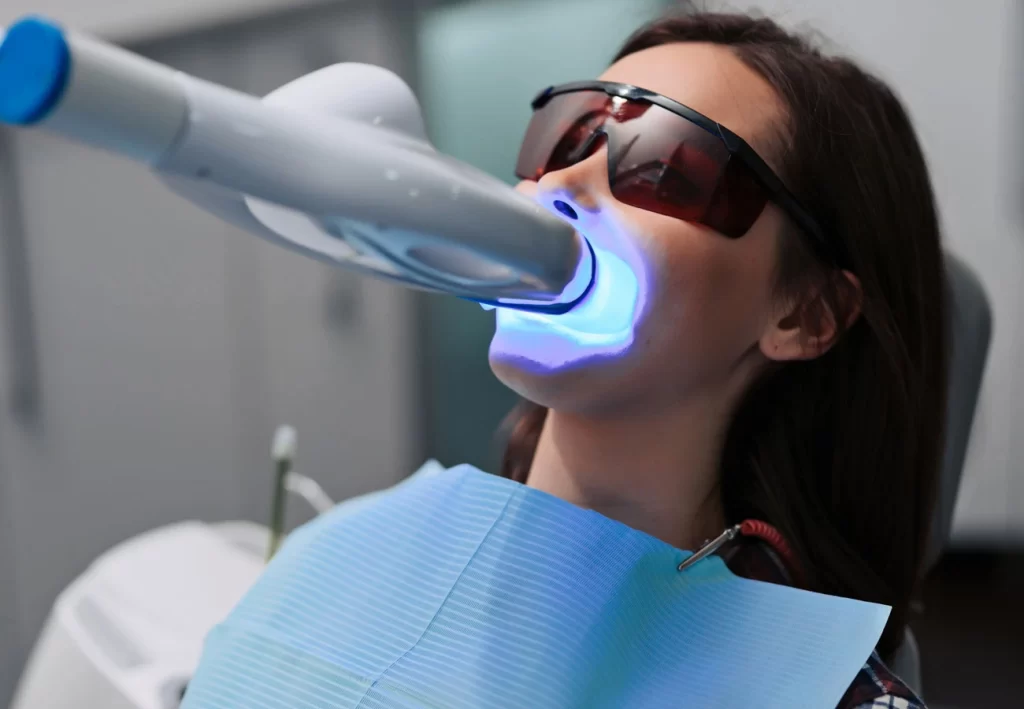
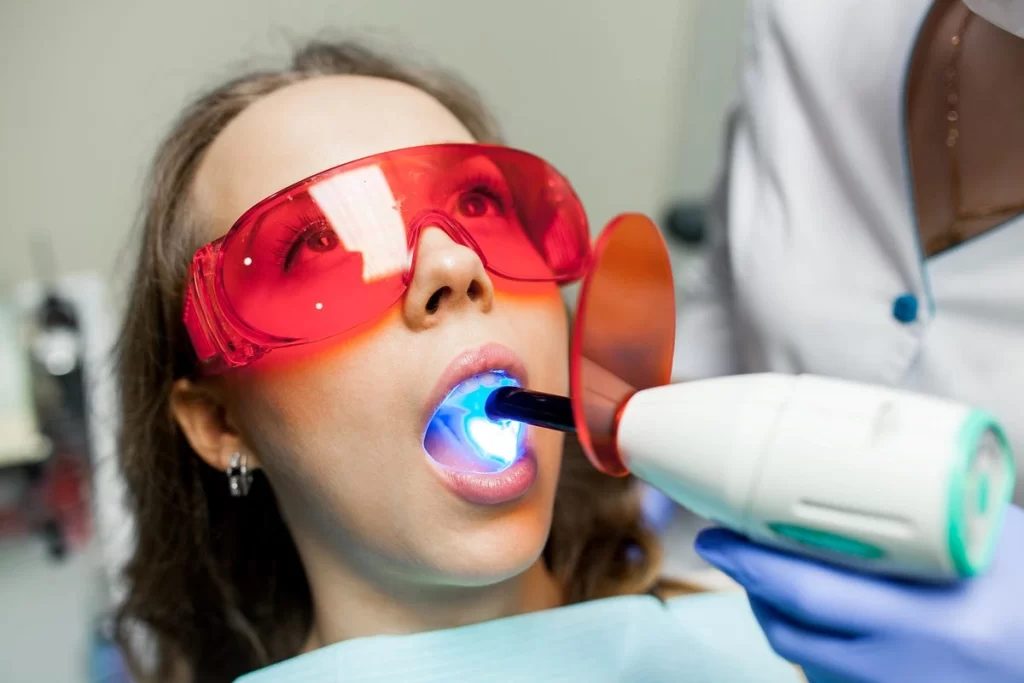
Laser dental cleaning is performed by the dentist through the targeted use of a laser light-emitting device on specific areas of the mouth. The light energy breaks down plaque and tartar and removes them.
Also, it kills all bacteria in the area. The procedure is painless, with patients often reporting feeling only a slight warming sensation in their mouths.
Before starting the procedure, your dentist will examine your mouth to ensure that laser cleaning will be beneficial to you.
After that, your dentist will use the laser to clean your teeth, focusing especially on the areas below your gum line. The procedure is quick and precise. You might experience a temporary mild sensitivity after having the procedure.
Typically, your dentist will recommend that you use a desensitizing toothpaste or mouthwash to help with any post-procedure discomfort.
Who Can Benefit from Laser Dental Cleaning?
Laser dental cleaning is indicated for a specific group of patients:
- Patients diagnosed with periodontal disease
Lasers are effective for controlling the progression of periodontal disease through their use in killing bacteria embedded in deep gum pockets.
- Patients with sensitive teeth
Sensitivity in a tooth can be cured by gently using a laser to seal in the affected tooth’s dentin tubules through which the tooth’s nerves get irritated by external stimuli.
- Anxiety-prone patients
Laser dental cleaning is minimally invasive, as there is no drilling done. This makes the procedure suitable and less intimidating for patients who suffer extreme anxiety.
However, the procedure is not recommended for patients with metal fillings in their teeth or those suffering from certain medical conditions. An intending patient is advised to always consult with a dentist to determine the suitability or otherwise of the procedure for his or her specific circumstances.
Read also: How Long Does a Dental Cleaning Take?
Benefits of Laser Dental Cleaning
Many patients choose laser dental cleaning over the traditional counterpart for several benefits it offers:
- Less pain and discomfort
Patients experience less pain and discomfort from laser dental cleaning compared to traditional scaling and root planing. For instance, the precision with which the laser is directed limits damage to surrounding gums and tissue.
Also, laser dental cleaning offers therapeutic after-effects like accelerated wound healing, pain relief, reduced edema, and reduced inflammation.
- Faster healing
Laser dental cleaning aids the speedy healing of post-procedure wounds by promoting blood clotting and reducing bacterial infection. This means a shorter recovery period for the patient compared to traditional dental cleaning.
- Less bleeding
There is less bleeding when having a laser dental cleaning, as lasers seal blood vessels as they work. This is particularly useful for patients who suffer from bleeding disorders or those prone to anxiety.
- Surgical precision
The narrow beams of laser light contribute to surgical precision. For example, hard-to-reach areas like below the gumline can be targeted effectively. Thus, bacteria can be eliminated inside deep gum pockets, and advanced periodontal disease can be treated with ease.
- Less risk of infection
Lasers emit heat as they are being used. The heat sterilizes the area being treated and kills all the bacteria there. Thus, the risk of bacterial infection is reduced.
- Suitable for all ages
Laser dental cleaning is suitable for anyone of any age. The American Academy of Pediatric Dentistry has approved lasers as complementary tools in pediatric dentistry.
In all, laser dental cleaning is a compelling option for patients seeking a more comfortable and efficient dental cleaning experience.
Potential Risks of Laser Dental Cleaning
Although laser dental cleaning is beneficial, the procedure comes with some risks:
- It is unsuitable for some patients.
Generally, lasers cannot be used on teeth with metal fillings, as the metal will reflect the laser light and cause damage to nearby tissues. Also, certain pre-existing conditions of the mouth—for example, advanced gum disease—might exclude the effectiveness of the procedure.
- The risk of damage to tissues in the mouth
Lasers are made up of powerful energy beams that damage gum tissue or tooth pulp if they are applied incorrectly.
Specifically, a wrong wavelength or power level applied to a patient’s tooth can cause irreparable damage and expose a practice to litigation. This underscores a patient’s need to choose a qualified dentist certified in laser dentistry for the procedure.
- Higher cost
On average, laser dental cleaning costs anything from US$200 to US$1,200 per session, depending on how extensive the required treatment is and the location of the practice. This makes the procedure more expensive than traditional cleaning methods, which cost between US$75 and US$125.
- Limited range of application
Lasers are inappropriate for certain dental cleaning procedures. For example, shaping, bite adjustment, or polishing cannot be done with a laser. These specific procedures still require the use of traditional dental cleaning tools like the drill.
- Potential damage to the eyes
A misdirected beam of laser light can damage the eyes of either the dentist or the patient. Thus, both must wear special glasses to protect their eyes during the procedure.
In specific patient cases, dentists might recommend traditional cleaning methods as a way of reducing the risk that would be posed by laser dental cleaning. This determination is made on a case-by-case basis.
Read also: Cost of Dental Cleaning Without Insurance
Oral Hygiene Routine After Having a Laser Dental Cleaning
You need a good oral hygiene routine after having laser cleaning for it to be effective. The following are some tips you will find useful:
- Brush your teeth in the morning and at night with a soft-bristled toothbrush and fluoride toothpaste.
- Floss daily to dislodge bacteria in the space between your teeth.
- Use an antimicrobial mouthwash after meals to combat the buildup of bacteria in the mouth.
- Have regular check-ins with your dentist for check-ups and cleanings.
- Avoid smoking and excessive sugary foods and drinks. They enable plaque to build up and cause gum disease.
Conclusion
Laser dental cleaning is a modern, effective alternative to traditional dental cleaning methods. It offers less pain, faster healing, and less bleeding, making it the treatment of choice for many patients.
Consulting with your dentist is a good start if you are considering having one. Your dentist will examine your oral health and determine whether or not the procedure will benefit you. Remember to always consult with a qualified dentist and one certified in laser dentistry.