

Missing extractions of teeth can cost you your signature smile. For someone who loves to smile, suddenly having to stop yourself from doing it can be uncomfortable due to a lost tooth. However, you can have a dental flipper (an acrylic removable partial denture) to save your future photo sessions.
A dental flipper is cheaper than partial dentures, implants, or similar options. If you’re missing one or more teeth, affordable prosthetics can save your day. Here’s everything you should know about a flipper tooth to make an informed choice about getting one.
What is a Dental Flipper?
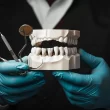
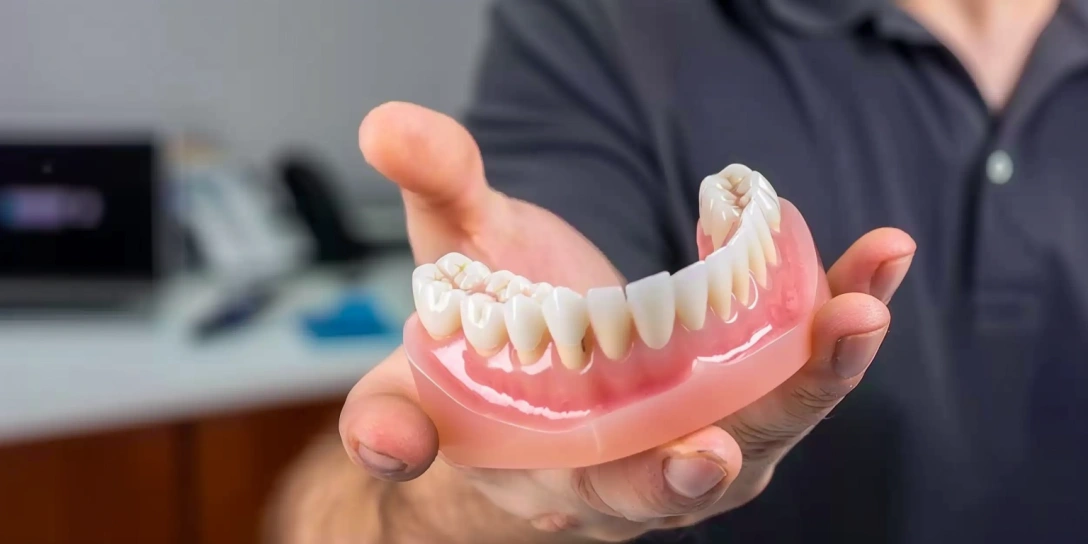
A dental flipper, also known as a flipper tooth, is a removable metal or acrylic retainer that either sits on your lower jaw, fits along your palate (mouth roof), or has one or more prosthetic teeth attached. A dental flipper is designed to match a patient’s natural teeth in size, shape, and color. It can readily create the appearance of a full smile, even if you’ve lost a tooth due to injury, decay, or removal.
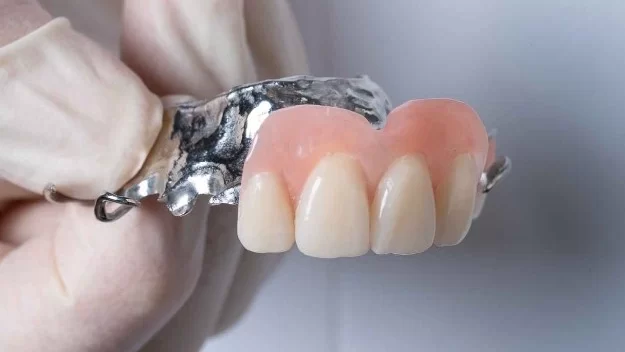
To make you a dental flipper, a healthcare worker would need to make an impression of your mouth using a soft material. The impression then goes to a dental laboratory, which uses it to make a customized flipper tooth crafted to fill any gaps in your teeth with prosthetic teeth and fit your mouth.
While a dental flipper often serves a temporary need ahead of something more permanent, such as dental dentures, bridges, or implants, it can serve as a long-term solution if the patient has difficulty wearing other forms of dental restoration.
Also read: Pros and Cons of Having Two Dental Insurance
Will a Dental Flipper Work for You?
Remember, a dental flipper is usually a temporary dental fix, such as while waiting for a more permanent tooth replacement like dental implants or fixed bridges. They’re so often used to replace a patient’s front teeth.
However, because a flipper tooth may sit loosely in the mouth or be uncomfortable, dentists typically don’t recommend using one over the long term. Yet, a flipper tooth can be the best permanent prosthetic option for some patients who are missing teeth. For instance, patients diagnosed as unhealthy candidates for fixed bridges or dental implants should rather have a dental flipper in the long term.
Benefits of a Dental Flipper
Perhaps the most popular upside to getting a dental flipper is that it’s less expensive than other partial dentures. It’s among the least costly prosthetic tooth options.
However, note that the costs of a flipper tooth can vary, depending on the materials used and how many teeth your flipper tooth is replacing. That said, flipper teeth have other notable merits worth mentioning.
They also appear relatively neutral and indistinguishable from other teeth. They’re also swift to make, so you won’t have to wait long for your flipper tooth once your dentist takes an impression of your mouth.
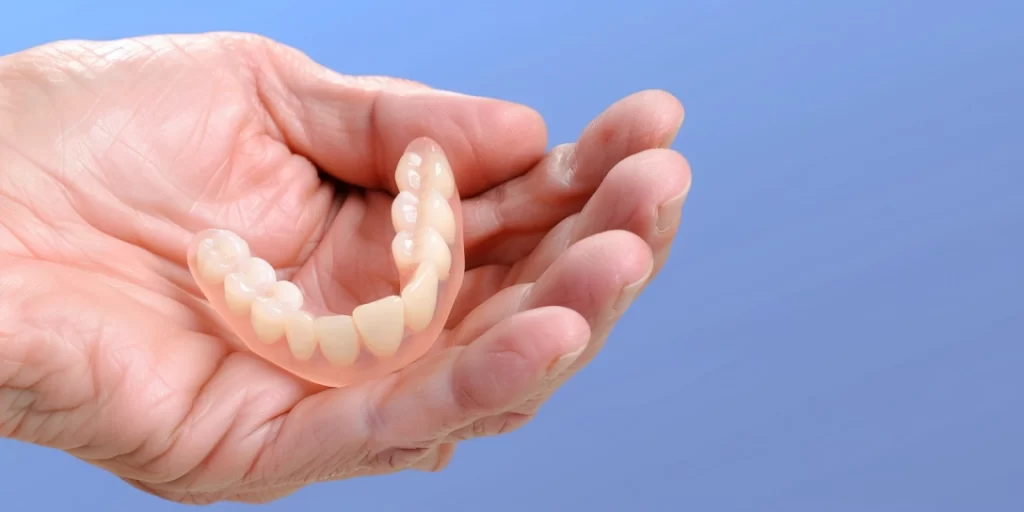
Moreover, wearing a flipper tooth is pretty straightforward. You only have to pop it into your mouth, and you’re ready to host guests or leave indoors wearing your beautiful smile.
That’s not all. Flipper teeth help to stabilize your existing teeth, making them less likely to shift.
Eating or chewing can be challenging if you have lost one or more teeth. However, with a dental flipper, a patient can eat or chew much better than they could without it. However, it’s also important that you take heed when eating with a flipper tooth because they’re made from fragile, lightweight material that can easily break.
Downsides to Using a Dental Flipper
While a dental flipper has many benefits, it has a few notable downsides.
We already highlighted that flipper teeth are typically less durable than temporary prosthetic teeth. That’s because they’re composed of less expensive and less durable materials than other dentures.
They are more susceptible to cracking. If you break your dental flipper, it’ll require repair or replacement.
While a flipper tooth is meant to grip your existing teeth, regular usage may loosen that grip. If you think your flipper tooth has loosened, it’s time to schedule an adjustment (or replacement) from your dentist.
First-time dental flipper users may find it uncomfortable in the mouth. With such an uneasy feeling, everyday activities like eating and talking can feel unnatural.
Also, some patients are allergic to the materials used to make a flipper tooth. So, consider informing your dentist about your allergy history before getting a flipper tooth.
Your saliva helps to clean your gums and prevent recession. However, a flipper tooth covers your gum, which can prevent saliva flow to that area or hinder its free flow. As a result, patients using a dental flipper are at risk of gum recession.
There is also a risk of gingivitis (gum disease) and tooth decay if you don’t properly clean your dental flipper.
Also read: Top 5 Dental Insurance That Covers Invisalign
How to Care for a Dental Flipper
Considering the potential downsides to using a dental flipper, patients want to know how to care for their dental flipper and prevent the potential risks of using one. Thankfully, caring for a flipper tooth is straightforward for patients who stick to a regular maintenance routine.
Like every other prosthetic tooth, a flipper tooth requires daily cleaning to eliminate plaque (bacteria) and food bits. Consider using a soft-bristle toothbrush, warm water, and mild soap like dishwashing liquid.
Rinse thoroughly after washing your flipper tooth before propping it back into your mouth. Avoid cleaning your dental flipper with toothpaste to prevent damage.
Also, avoid moving your flipper tooth around in the mouth with your tongue to prevent inadvertently losing it. While you have our dental flipper on, it might be best to avoid dark-colored foods and beverages, like coffee, cranberry juice, and beets.
When not in use, ensure your flipper tooth doesn’t dry out. Doing so can make it more susceptible to cracking and feeling uncomfortable.
To keep your dental flipper moist, keep it in a denture cleaning soak or water when it’s not in your mouth. If you choose water, ensure it’s not too hot. Hot water can cause warps in your dental flipper.
Lastly, it’s important to maintain good overall dental health. Ensure your gums and existing teeth are healthy and clean to reduce your risk of gum disease, gum recession, tooth decay, discomfort, and tooth sensitivity. Brush and floss at least twice daily.
See your dentist for an adjustment, repair, or replacement if your flipper tooth is causing pain, feels loose, or is uncomfortable. And even when you don’t have an uneasy time with your flipper tooth, book a dentist appointment at least twice a year for check-ups and cleanings.
What are the Alternatives to Getting a Dental Flipper?
There are alternatives to getting a dental flipper if you’re missing one or more teeth. These range from permanent to temporary alternative dental fixes.
Other temporal options are relatively cheaper than permanent fixes. However, the following alternatives last longer than dental flippers:
- Dental bridges
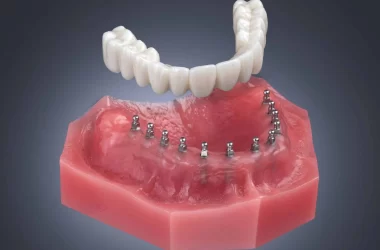
- Dental implant
- Fixed partial dentures
- Snap-on-smile
Also read: Best Dental Insurance in Utah
Conclusion
A dental flipper is a solid, affordable prosthetic tooth option if you need a temporary fix. However, it might not be a great choice as a more permanent tooth replacement.
The length of time that flipper teeth can last depends on several factors, including the quality of the flippers, the degree of their missing teeth, and the patient’s oral hygiene.
If you need help deciding between getting a dental flipper or another prosthetic tooth option, visit your dentist. They can explain your alternatives and help you choose the best prosthetic teeth option for your situation.