




Dental bonding, or teeth bonding, is a cosmetic procedure that treats less significant dental issues and brightens your smile. The procedure repairs chipped, misaligned, and gapped teeth using a tooth-colored resin material.
Although dental bonding can last for as long as 10 years, it’s completely reversible, making it perfect for temporary cosmetic purposes amidst changing societal trends and dynamic preferences.
Are you considering getting teeth bonding? Chances are you’re interested in knowing the potential costs involved. Here’s a dive into the question, “How much is dental bonding in 2025?” Also, this guide will cover the benefits of teeth bonding, plus what to expect after getting one done.
Read also: Is Dental Bonding Covered by Insurance?
How Much Is Dental Bonding in 2025?
Once you’re certain that you need tooth bonding, the next question you want answered is “How much is dental bonding?” You’ll also discover the procedure’s potential cost implications in your geographical location or based on your special conditions or preferences.
While we’ll shortly explore the potential implications surrounding varying rates, the cost of teeth bonding ranges between $100 and $900 per tooth.
Several factors that can influence the cost of your procedure include
- Number of teeth: Dentists typically charge based on the number of teeth that require bonding. Consequently, the total cost will naturally increase with each extra tooth.
- Dentist’s expertise: Like in many other sectors, the more experienced the dentist, the more expensive the procedure. For instance, a dentist with specialized training in cosmetic procedures or teeth bonding may charge you more for their advanced skills and expertise.
- Geographical location: Expectedly, the cost of dental bonding varies based on location. Generally, regions with higher costs of living or high demand for dental services may charge more. Our earlier estimate of $100 to $900 fits individuals in the United States. Intriguingly, our research found similar rates for users in many other world regions. In the UK, it costs about $400 to $600, while Australians could pay between $200 and $500 at home for a dental bonding procedure. In Nigeria and Kenya, dental bonding costs roughly $50. Chinese dentists charge between $100 and $300 per tooth for the procedure, while Saudis at home pay between $250 and $1300 for the same cosmetic dental procedure.
- Procedure complexity: The cost of dental bonding in 2025 can vary based on the complexity being addressed. For instance, intricate procedures require additional time, and composite resin will generally be more costly.
Before finalizing an answer to the question, “How much is dental bonding in 2025?” note that there might be some additional costs involved. It can help to budget for these extra expenses to ensure everything is properly taken care of before your dental bonding procedure.
- Dental examinations cost $50 to $150 on average
- Dental cleaning costs $75 to $200 on average
- Professional teeth whitening costs $300 to $800 on average
Read also: Pros and Cons of Having Two Dental Insurance
Benefits of Dental Bonding
Next, we consider the various benefits of dental bonding for various patients.
- Affordability: Teeth bonding is one of the most budget-friendly options for cosmetic dental procedures
- Durability: When properly cared for, tooth bonding material can last between three and ten years.
- Minimally invasive: Teeth bonding is a minimally invasive procedure that doesn’t require teeth preparation.
- Reversible: Dental bonding is reversible because it doesn’t involve removing enamel.
- Swift and convenient: Unlike other procedures, such as veneers and crowns that require multiple visits, teeth bonding can be completed in only one appointment.
- Versatility: Dental bonding can address various cosmetic issues, ranging from discoloration to chips, cracks, and gaps.
How a Dental Bonding Procedure Works
The teeth bonding procedure is divided into two parts: moments before the procedure and moments during the procedure.
- Before the dental bonding procedure
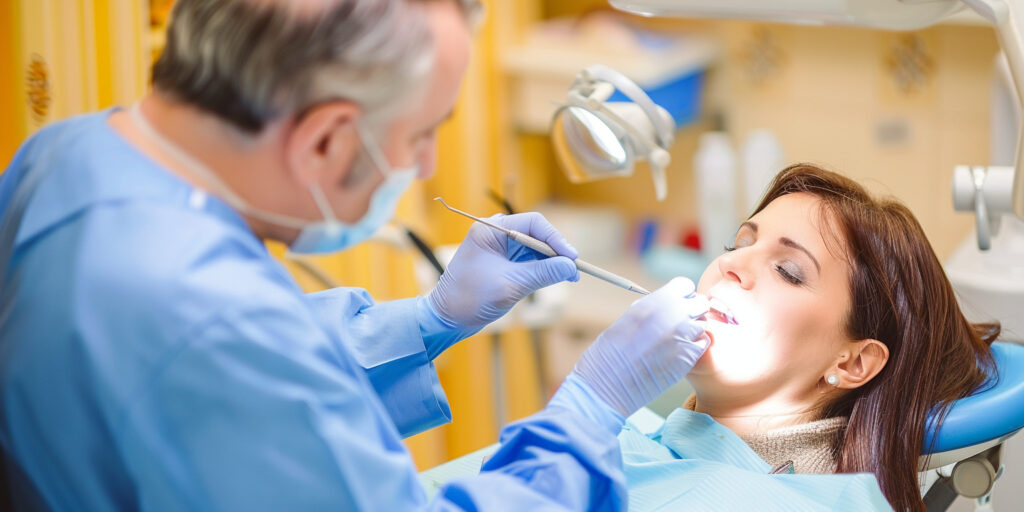
Once you arrive at the dentist’s clinic, they may examine your teeth using X-rays and analyze your eligibility for the procedure. Where there are cavities or gum problems, they’ll require you to get treatment for them first before considering or getting a dental bonding procedure.
- During the teeth bonding procedure
The caregiver roughens the tooth surface so that the bonding material sticks to the tooth. Afterward, they administer the composite to the tooth before applying UV light to harden the material. The tooth is shaped to ensure that it doesn’t interfere with the bite. Lastly, the dentist polishes and adjusts the tooth as required.
What to Expect After Getting a Teeth Bonding Procedure Done
In the first few hours, patients often experience mild sensitivity to temperature changes or additional pressure. Immediately after the procedure, the bonded area will look natural and match the surrounding natural teeth.
On the nutrition end, avoid eating sticky or hard foods to allow the bonding material to set properly.
Within the first 24 hours, individuals who have just had a dental bonding procedure should refrain from consuming dark-colored foods and drinks that could stain the bonding material. It also helps to avoid using abrasive toothpaste and maintain oral hygiene.
Also, any initial sensitivity should begin to reduce at this point. However, consider consulting your dentist if discomfort persists.
Within the first 2-3 days, you might notice minor adjustments required for comfort or bite alignment as the bonding material settles. Closely monitor the bonded area for any changes or issues. Also, schedule a follow-up meeting with your dentist should any complications arise.
Read also: Cost of Dental Cleaning Without Insurance
Teeth Bonding: Aftercare and Maintenance
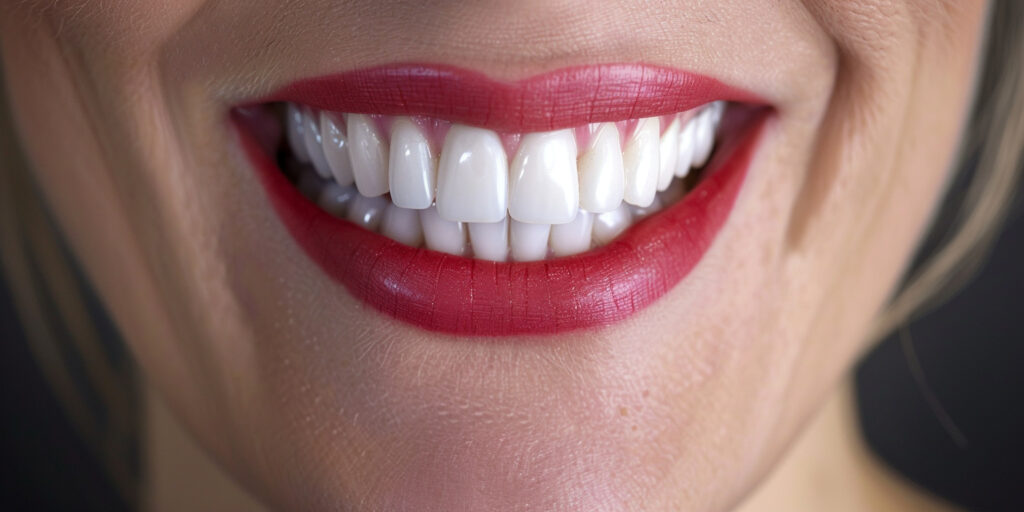
Dental bonding is a seamless and non-invasive treatment. However, caring for your bonded teeth afterward is crucial to ensuring they last and keep looking great. By following the right aftercare steps, you can seamlessly keep your smile looking its best and avoid any potential complications.
- Avoid staining foods/drinks: Stay away from foods and drinks that can stain your teeth within the first 48 hours after getting your teeth bonded. These include drinks like coffee, tea, and red wine. The bonding material is readily prone to staining immediately after the treatment.
- Maintain oral hygiene: Choose a soft-bristled toothbrush to avoid damaging the bonded regions. Keeping up with brushing and flossing will help you maintain a healthy mouth and avoid any staining.
- Avoid nail biting: Nail biting strains the bonded material and may cause it to chip or break.
- Avoid hard foods: Hard foods such as ice and candies can damage the bonded material. It is therefore better to avoid these foods and choose softer foods immediately after bonding to stay healthy.
- Wear a mouthguard: A custom-fitted mouthguard can help if you plan to grind your teeth by the end of the day. It provides the best protection and helps to keep your bond in good shape.
- Regular dental checkups: Ensure you get regular dental checkups and cleanings to keep plaque away and ensure your teeth remain in top shape. Your dentist will monitor your teeth bonding and address any issues instantly.
Conclusion
Now you have a definite answer to the question, “How much is dental bonding?” The amount you pay to get a dental bonding depends on how many teeth are involved, your location, the dentist’s expertise, and the procedure’s complexity (partly depending on other additional techniques or features involved).
It’s important to note that maintaining the right oral hygiene following a dental bonding procedure is vital to keep your bonded teeth in good shape and looking good for as long as possible. Be sure to inform your dentist should you notice any abnormal or persistent level of discomfort or pain surrounding the bonded teeth.