


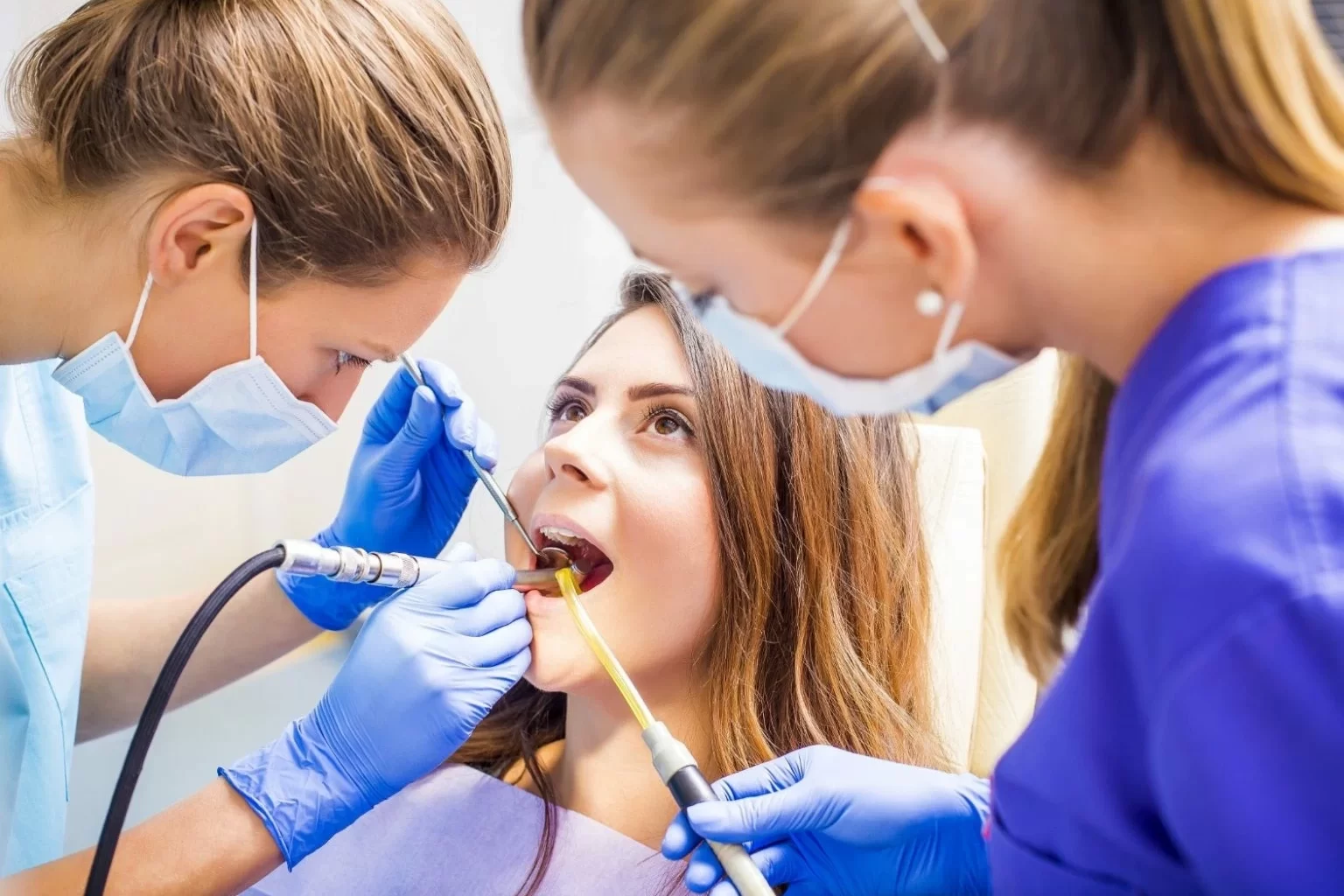

Dental assistants are important members of the dental care team. They support dentists with patient care, administrative tasks, and clinical procedures. There is a surge in the demand for dental services both in the United States and Europe, and understanding how much a dental assistant makes is important if you are considering the career.
This blog post provides a detailed overview of dental assistant salaries in the United States and Europe, drawing on data sourced from industry insiders on both continents.
Dental Assistant Roles and Salaries
The question, “How much does a dental assistant make?” is critical to planning and taking career decisions for intending and practicing dental assistants.
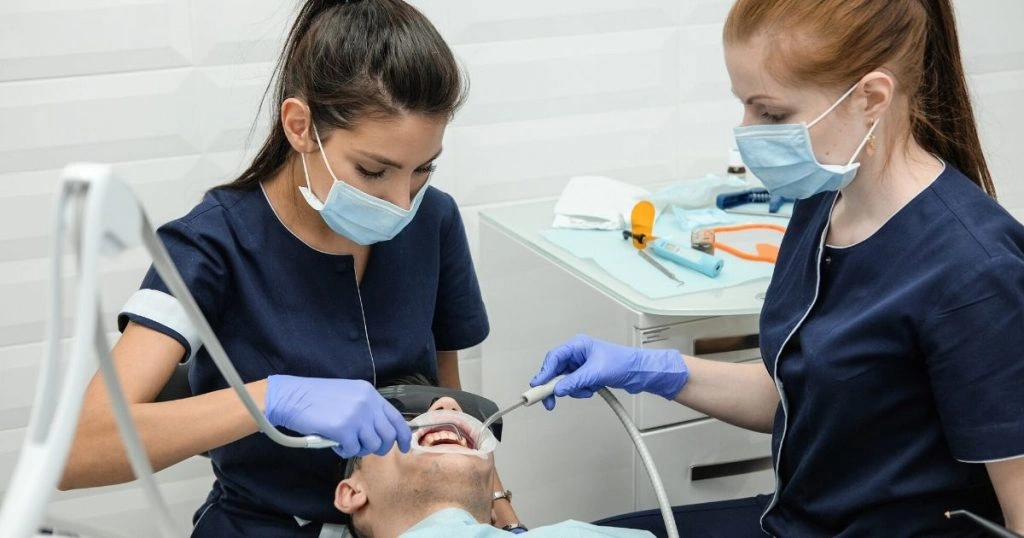
Dental assistants take patient histories, record vital signs, assist during procedures, do diagnostic imaging, schedule appointments, keep patients’ records in order, provide oral hygiene education to patients, and take charge of the sterilization and storage of dental instruments.
Their role is a dynamic blend of administrative and clinical duties, making it perfect for those aspiring to work in healthcare without going through the gruelling training dentists go through.
According to recently published data, dental assistants in the United States earn around US$47,440 per year. Their European counterparts earn variously, for example, €42,160 (US$48,394) per year in Germany and €27,917 (US$32,062) per year in Spain.
These figures suggest that dental assistants earn competitively on both continents, which makes the career an attractive choice, as established in the next section.
Read also: How to Become a Dental Assistant
Dental Assistant Job Outlook and Growth
The US Bureau of Labor Statistics (BLS) predicts that dental assistant roles in the United States will grow by 8% from 2023 to 2033.
The outlook is similar in Europe, with the European Centre for the Development of Vocational Training (CEDEFOP) predicting an 8.1% growth in healthcare and social work, amounting to 11,561,000 job openings, between 2013 and 2025.
The overall trend in the creation of healthcare jobs suggests a positive outlook for dental assistant roles in Europe. However, the growth will vary from country to country, with rich European countries like Germany and the Netherlands offering more opportunities compared to their economically challenged neighbours.
Several factors drive the growth of dental assistant jobs.
For one, the realization of the link between oral health and overall health continues to drive the need for preventive dental services.
Also, an aging population contributes to the growth. People will continue to need dental care as they grow older and retain their natural teeth.
Lastly, as dental technology—such as digital impressions and laser dentistry —advances, there is an increasing need for dental assistants who are up-to-date with these latest technologies and techniques.
Factors Influencing Dental Assistant Salaries
The question “how much does a dental assistant make?” often boils down to several interconnected factors.
These factors, which influence how much a dental assistant makes, reflect the diversity of the profession across the United States and Europe.
- Location
Dental assistant salaries vary significantly from one location to another in tandem with the cost of living and the demand for dental services.
In the United States, practices located in Washington state pay the highest average salary for dental assistants at US$45,905 per year. Other high-paying states are Minnesota, Massachusetts, and Oregon. Mississippi has the lowest average salary for dental assistants at US$28,202 per year.
Generally, practices in urban areas pay more because of the higher cost of living and higher demand for dental services compared to practices located in rural areas.
The trend is similar in Europe. Dental assistant salaries are higher in Germany and the Netherlands because of their strong economies, compared to Spain and France, whose economies are not as strong.
- Experience
Experience is an important factor in determining dental assistants’ salaries. At entry-level, they usually start with lower salaries, but it increase as they gain experience, skills, and tenure.
For example, it is not unusual for entry-level dental assistants to earn US$36,000 or its equivalent per year, while their counterparts with five to ten years of experience will earn around US$47,000 per year or more.
- Certifications
Certifications go a long way in bolstering dental assistant salaries, according to the Dental Assisting National Board (DANB). DANB states that a holder of her Certified Dental Assistant (CDA) qualification will earn 15% more per hour than a non-certified colleague.
Something similar subsists in Europe, with slight differences from one region to another. For instance, dental assistants in Germany with vocational training earn more.
- Work Environment
Dental assistant salaries also vary according to the work environment. Dental assistants are able to work in private practices, hospitals, public health clinics, or in academia; dental assistant salaries vary by employer type.
Generally, those employed in public hospitals earn more because of set benefits and scale, while their counterparts in private practices may be paid extra bonuses or partake in profit-sharing.
Also, dental assistants who have specialized in areas like orthodontics, pediatrics, or oral surgery and who work in specialist practices will command higher salaries. This is because of their rare skills and the technical nature of their work.
Read also: Is Dental School Hard? Here’s All That Is Involved
Comparing Dental Assistant Salaries With Those of Similar Professions
It helps to put dental assistant salaries in context by comparing them with salaries earned by other healthcare professionals requiring similar levels of education and training.
- Dental Hygienists:
Dental hygienists earn an average of US$89,890 per year, which is significantly higher than the average yearly salary of a dental assistant. This is not surprising, as becoming a dental hygienist requires at least an associate’s degree and licensing.
- Medical Assistants:
Medical assistants earn US$43,350 yearly on average, which is slightly less than the average dental assistant’s yearly salary. The two roles are similar, and both require similar education and training. However, medical assistants focus on providing medical care.
- Pharmacy Technicians:
Pharmacy technicians earn less than dental assistants. Pharmacy technicians receive a similar level of training to dental assistants. Their average yearly salary is US$43,330.
- Home Health Aides:
Home health aides earn an average of US$33,380 per year. It is much lower than what dental assistants earn, but the job requires much less formal education and training, even if it is physically demanding.
Thus, dental assistants, who train for at most one year after high school, enjoy a good balance of salary, education, and training investment among these comparable roles.
Benefits of Being a Dental Assistant

Apart from the good pay, dental assistants enjoy:
- Stable Employment
Dental assistants enjoy a stable demand for their services, amply supported by an 8% growth per year in the demand for preventive and curative dental services in the United States.
- Work-Life Balance:
Dental assistants, like other healthcare professionals, work on a flexible schedule. This allows them to balance work with personal life.
- Career Growth Opportunities
Dental assisting offers opportunities for career advancement and long-term earning potential. A dental assistant can aspire to become a manager at a practice, specialize in an area like orthodontics, or pursue further education to qualify as a dentist.
- Impactful Work
Dental assistants do fulfilling and purposeful work by contributing meaningfully to patients’ oral health and overall well-being.
Dental assisting is an attractive career choice because of these benefits and the short training period required to qualify as an assistant.
Read also: How Long Is Dental School?
How to Increase Your Earning Potential As a Dental Assistant
The following steps will help you increase your salary as a dental assistant:
- Earn a Certification
As stated earlier, a certification like the DANB’s Certified Dental Assistant will potentially increase your salary. Moreover, certifications demonstrate your commitment to the profession and grant you access to higher-paying roles that confer more responsibilities.
- Gain Experience
The more experience you gain on the job, the more valuable you become to employers. More experience means you get promoted faster and earn more from the commensurate salary increases.
- Consider Specializing
Specializing in a practice area like orthodontics or pediatric dentistry will increase your expertise and the salary you command. Specialist dental assistant roles often command higher salaries because of the technical nature of the jobs.
- Get Work in Another Location
If you are not averse to moving, consider getting a similar role in a state or city where dental assistants are paid more. Remember to factor in the cost of living, which will be high in expensive cities.
- Seek Better Pay
And why not, if you bring something valuable—like an additional qualification, experience, or a certification—to the table? Remember that healthcare is a competitive market, and you have nothing to lose if you put in a good word for yourself.
Conclusion
So, how much does a dental assistant make?
Dental assistants earn good salaries and have ample opportunities to increase their pay based on location, experience, certification, or specialization.
In addition, dental assistants enjoy a rewarding career, stable work, a flexible work schedule, and the fulfillment that comes from positively impacting patients’ lives.