



Good oral health is priceless. It is an indicator of our overall well-being, with our teeth playing a crucial role. Our facial appearance, our smile, and our ability to eat and speak depend on how well-aligned and healthy our teeth are.
Nevertheless, we sometimes fall prey to such dental issues as tooth loss in spite of our best efforts at taking care of our oral health. Missing teeth, beyond impacting aesthetics, also affect jawbone health, adjacent teeth, and self-confidence.
Dental implants are the go-to solution for missing one or more teeth. It is robust and long-lasting.
This article is about recognizing the 8 signs that you need dental implants as a crucial first step to understanding if a dental implant treatment is an appropriate option for your circumstance.
What Are Dental Implants?
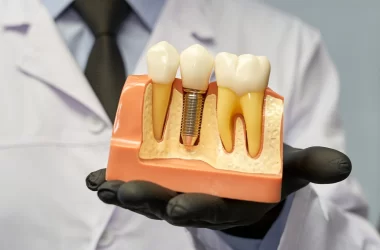
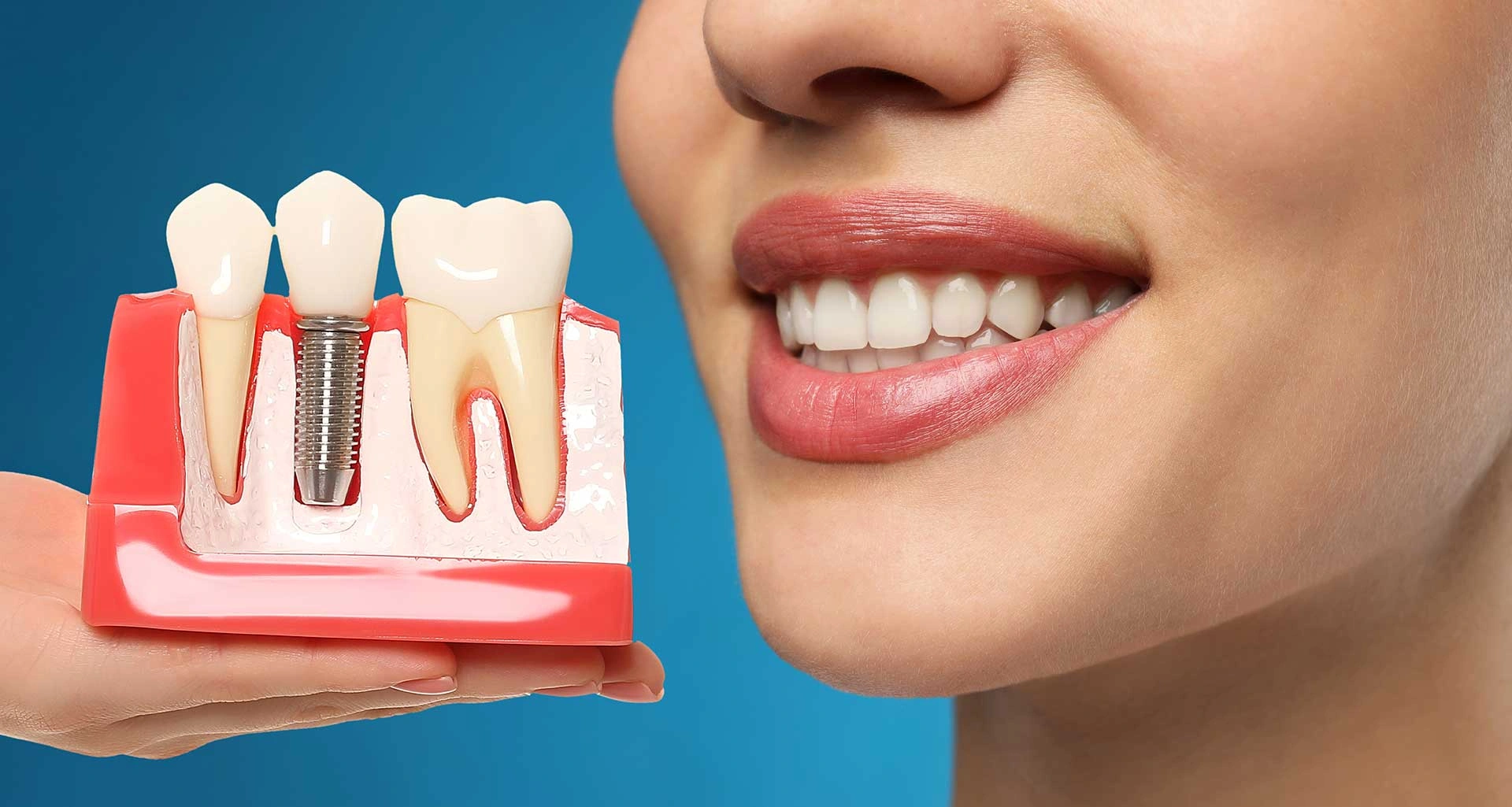
Dental implants are imitation tooth roots and are usually made of biocompatible titanium. They are surgically fused into the jawbone through an “osseointegration” process just below the gum line. When in place, they become a stable and secure foundation for dentures, like replacement teeth.
Compared to other treatment options for tooth loss, dental implants offer more stability, longer-term durability, less bone loss, and a natural look and feel.
Read more: 5 Cheap, Best Alternatives to Dental Implants
The 8 Signs You Need Dental Implants
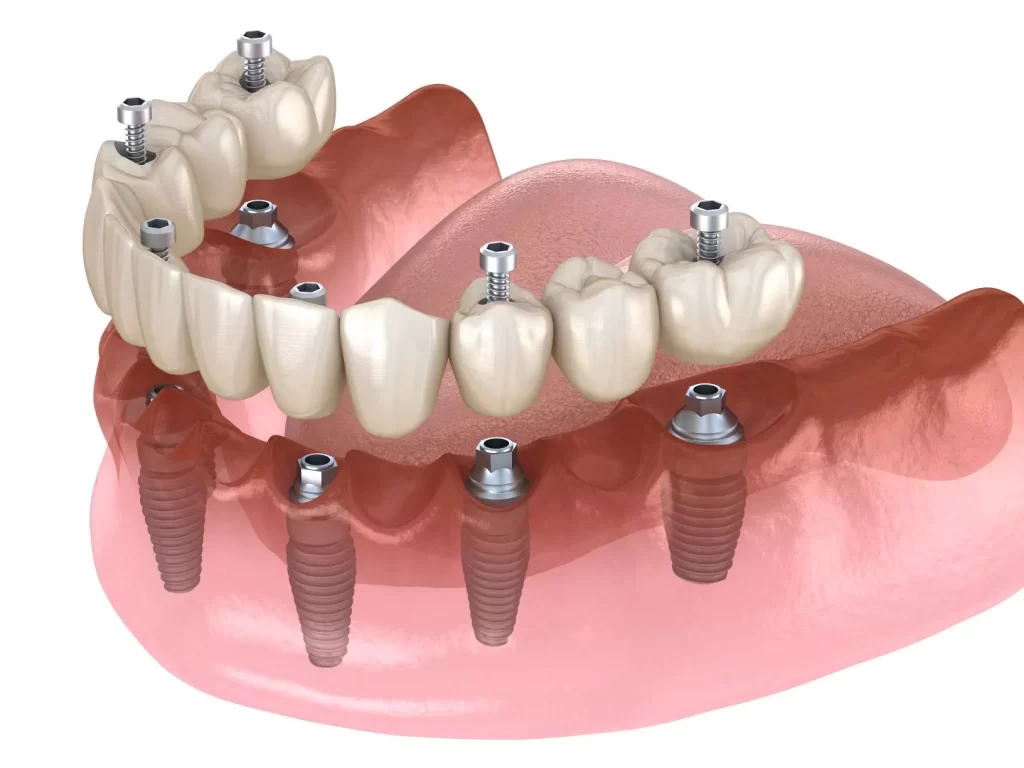
Several indicators act as pointers to your need for dental implants. Recognizing these indicators promptly is crucial for prompting you to enter into a discussion with your dentist to explore what options might be available to you to address your dental concerns.
- You have one or more teeth missing.
This indicator is the most obvious and is usually the case when you have tooth loss from tooth decay, trauma, gum disease, or a congenital defect. Tooth loss is consequential, affecting aesthetics and your bite. It makes teeth cleaning more difficult and leaves you prone to further decay and gum disease. Also, it impacts the adjacent teeth by causing them to shift.
When you have one or more teeth missing, you need to start considering, with the help of your dentist, whether dental implants might benefit you or not.
- Chewing or speaking becomes difficult.
Your teeth play important roles in chewing and clear speech. When you miss one or more teeth, these important functions become impaired. You might notice that you have difficulty biting into certain kinds of food or experience discomfort while chewing. In addition, you might notice that you have difficulty correctly pronouncing one or more consonant sounds.
All these are indicators that your oral function might be compromised and that you might need dental implants urgently to restore the natural dentition you require for comfortable eating and clear communication.
- You have experienced bone loss in your jaw.
Bone loss in your jaw usually results from a missing tooth. The area surrounding the missing tooth begins to deteriorate over time because it is missing the stimulation that the now-absent tooth root once provided. Bone loss, left untreated, will alter your facial structure with time and even complicate future tooth replacement efforts.
If your dentist has ever remarked that you have bone loss in your jaw, or maybe you notice that the area in your face that surrounds your missing tooth is sunken, you need to start considering the possibility of having dental implants. Dental implants have been proven to stimulate the jawbone, prevent its deterioration, and maintain its bone density.
- Prior dentures or bridges have become unstable or uncomfortable.
Dentures and bridges, though helpful, sometimes come with their unique challenges. For example, dentures slip, click, and cause discomfort while eating or speaking. On the other hand, bridges cause surrounding teeth to become stressed because of the constant support they are giving and so become unstable over time.
Dentures that constantly move or a bridge that feels unstable or not so comfortable is one of 8 signs that you need dental implants. Dental implants will provide a strong foundation for your implant-supported dentures and bridges and help end the instability and discomfort you feel when performing your oral functions.
- You feel uncomfortable when smiling because you have gaps that affect the appearance of your smile
How you feel about your smile impacts your self-confidence. When you have missing teeth that affect the aesthetics of your smile, you may become self-conscious when you smile, laugh, or speak in social situations. Over time, the situation erodes your self-esteem.
That you are unhappy with the appearance of your smile because of missing teeth is one of the 8 signs that you need dental implants. Dental implants will help to restore a natural look to your smile and boost your confidence.
- Your healthy adjacent teeth are getting misaligned.
A missing tooth affects its healthy neighbors, apart from just leaving a space. Adjacent teeth begin to shift or tilt into the space because they are missing the support of the lost tooth. This results in the misalignment of healthy teeth over time. Also, bite problems might occur as well as problems with cleaning the teeth, leading to the possibility of decay and gum disease.
Thus, missing teeth are an important indicator that dental implants might be appropriate for you. Dental implants will help fill the gap created, restore support to surrounding teeth, and contribute to maintaining their proper alignment. Also, they will help in optimizing your oral health.
- You have recurring infections or discomfort around a missing tooth
Sometimes the gap created by a missing tooth traps food particles and bacteria. Over time, this situation might lead to frequent infections or inflammation at the site and discomfort in the gum tissue. This situation can be persistent and unpleasant.
Frequent infections or discomfort around the site of a tooth loss is a sign for you to seek help—probably have dental implants done—to alleviate the issue. Dental implants will fill up any space left by the missing tooth and prevent food particles and bacteria from congregating in your mouth. Also, your oral hygiene becomes easier and more effective.
- You desire a long-lasting and durable tooth replacement solution
Longevity and durability are the two key factors you should consider when seeking tooth replacement treatment. Dental implants are an important option when compared to alternative treatments like bridges, which may need to be replaced after a certain number of years. Dental implants, cared for properly, will outlast bridges, potentially lasting for even a lifetime.
Dental implants will replace the missing tooth functionally and aesthetically. Also, they will last long, perhaps for your lifetime.
Read also: 4 Types of Dental Implants: How to Know The Right One For You
Steps to Take if You Recognize Any of These Signs
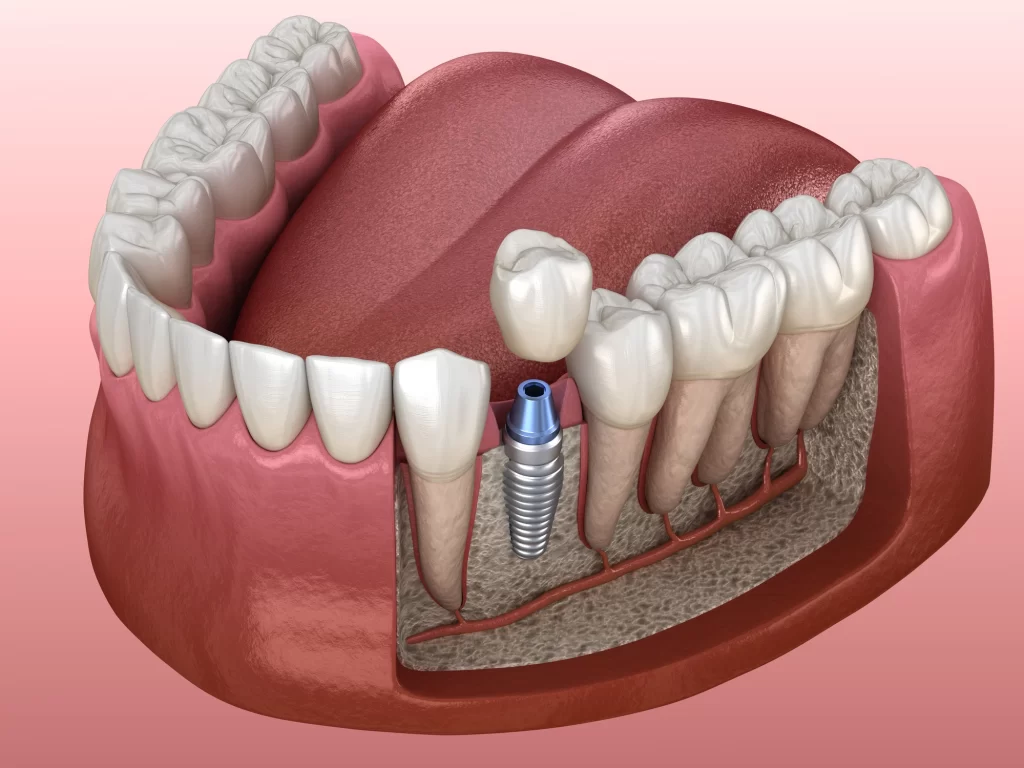
If one or more of these 8 signs that you need dental implants look familiar, you need to schedule an appointment with your dentist or an oral surgeon.
Your dentist will conduct a comprehensive evaluation of your oral health during the appointment. Expect a thorough examination to be done, including X-rays of your dentition as well as a review of your medical history. Your dentist will take a close look at the condition of your jawbone and the health of your remaining teeth and use all the information gathered during the evaluation to assess and advise you. Understandably, you might not be an immediate candidate for dental implants.
Such factors as the sufficiency of your bone density and the overall state of your health weigh in on the decision to recommend you or not for dental implants. Hopefully, your dentist and you will explore what treatment options are available to you and arrive at a mutually agreed-upon treatment plan.
Read also: Why No Dairy After Dental Implant?
Conclusion
Your first step to restoring your smile, your confidence, and the function and look of your dentition after missing one or more teeth begins with recognizing the 8 signs that you need dental implants.
Dental implants are a long-term, often lifelong, stable, and natural-looking solution for tooth loss. Oftentimes, dental implants, when properly deployed, will significantly improve the quality of your oral health as well as the overall quality of your life.
Always consult with your dental health professional to explore what possibilities are available to you.