

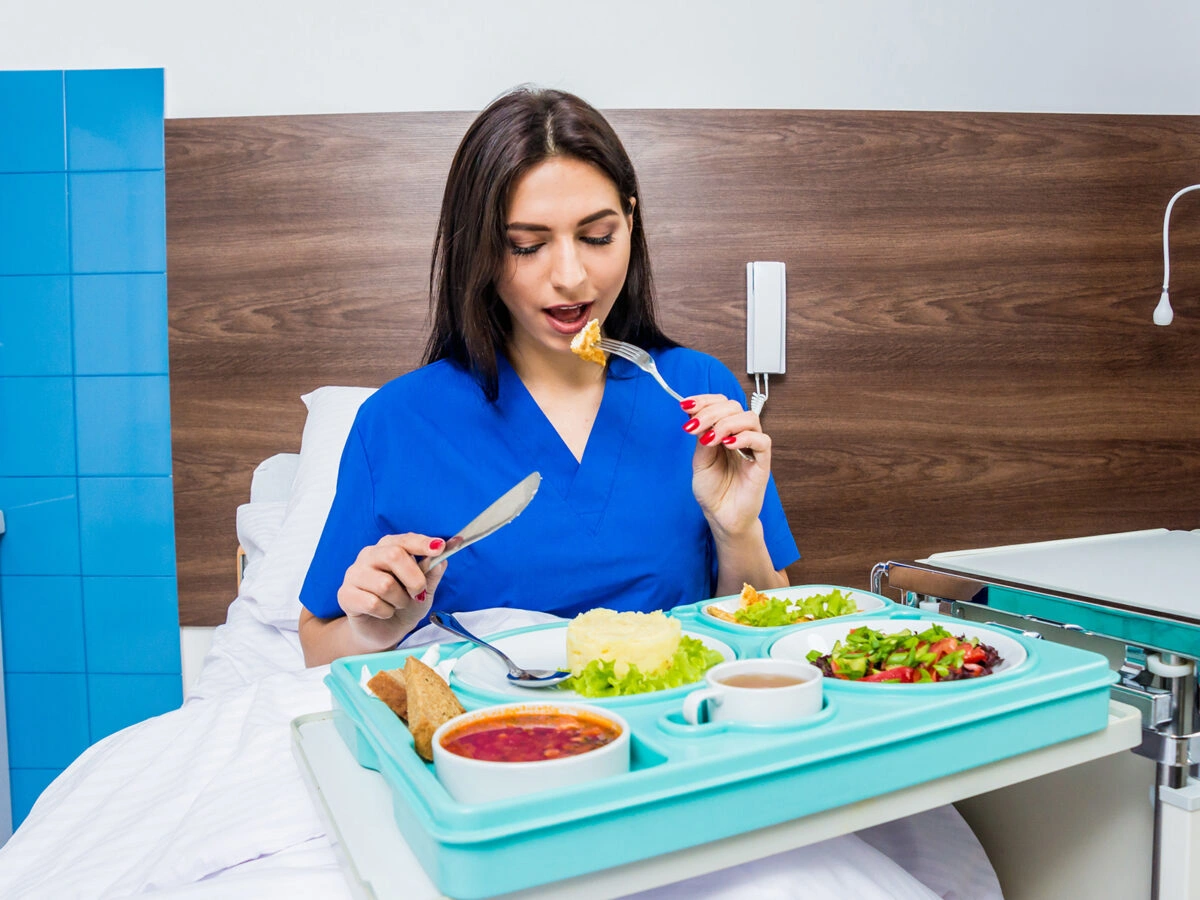

The recovery period after undergoing dental surgery is delicate due to the risk of complications or infections arising. Moreover, there could be damage caused to your newly transplanted prosthetics or your jawbone when attempting to chew on regular food.
This dietary risk is why dental surgery comes with a set of recovery instructions, of which the most important is the changes to your diet. The right types of food will be soft, nutrient-rich, and easy to eat with minimal chewing. They will help your oral cavity heal faster.
This article is your go-to list of 50 soft foods to eat after dental surgery. These foods are gentle on your newly transplanted teeth, gums, and jawbone and nutritious enough to keep your body supplied with all the required nutrients as you recover.
Why Do Soft Foods Matter After Having Dental Surgery?

After having your surgery, your gums and jaw are likely to be sore, swollen, or tender. You very likely would cause pain to yourself, dislodge blood clots, or make your surgery wounds worse if you chew on hard, crunchy, or chewy foods.
On the other hand, soft foods are easier to consume, requiring little to no chewing. They reduce the chances of these complications arising and still provide nutrients for your body.
Read also: How Long Does a Dental Cleaning Take?
50 Soft Foods to Eat After Dental Surgery
Our list of 50 soft foods to eat after dental surgery has been divided into various categories to help with meal and nutrition planning.
Dairy and Protein-Rich Foods:
- Greek Yogurt because it is rich in protein and probiotics.
- Cottage Cheese, with its soft, creamy feel and mild flavor, is perfect for your mouth.
- Scrambled Eggs are light, fluffy, and easy for your mouth to chew.
- Soft tofu has a high protein content and pairs well with a variety of flavors.
- Protein Shakes are a nutrient-rich go-to if you feel uncomfortable eating solids.
- Cream Cheese is nutritious and perfect for spreading on soft bread or crackers.
- Ricotta Cheese is smooth and goes well with crushed vegetables or fruits.
- Mashed Beans. Always cook very softly before mashing.
- Lentil Soup is perfect for its rich protein content. It is ideal to eat with mashed rice.
- Bone Broth is rich in nutrients and will soothe your sore mouth. For best results, prepare the bone broth by slowly simmering animal bones, connective tissue, and meat in water until the collagen, amino acids, and proteins are broken down and released into the broth.
Read also: Why No Dairy After Dental Implant?
Fruits and Vegetables:
- Mashed potatoes are a classic staple that deserves a place in your dietary plans. They provide your body with Vitamin C, potassium, and fiber. The red or yellow-fleshed potatoes are better because they contain more antioxidants.
- Sweet Potato Mash is sweetly flavored and rich in vitamins. They have more moisture compared to mashed potatoes.
- Avocados are beneficial for you due to their creamy texture and high content of healthy fats.
- Ripe bananas are easy to chew on and ready for mashing. They are nutritious, too.
- Applesauce requires zero chewing. Just dig your spoon in and enjoy.
- Steamed Carrots will provide you with carbohydrates, fiber, vitamins, and fat. They are soft and easy to mash, making them easy on your mouth.
- Pureed Peas are nutritious and digested easily. They are packed full of vitamins, minerals, and fiber.
- Pumpkin Puree is good, especially during fall. It contains vitamins A, C, and E, which can help boost your body’s immunity.
- Butternut Squash is excellent, especially when roasted and mashed, due to the velvety texture that emerges.
- Soft-cooked spinach is also great for the vitamins it provides. Your stomach will easily digest it if it is wilted or pureed.
Grains and Carbohydrates:
- Oatmeal is an excellent choice for breakfast, especially when you need the energy to get through your day. It is warm and filling. Take it without granola or toppings.
- Cream of Wheat is smooth and easy on the mouth. It swallows easily, too. It is a good source of iron, vitamin B, and folate.
- Polenta is the soft, versatile cornmeal delicacy you can indulge in. It will supply your body with complex carbohydrates, fiber, and protein.
- White Rice is easy to chew during recovery compared to brown rice. Always cook it till it’s soft.
- Well-cooked pasta is suitable for your recovery period. It is filling, easy to digest, and helps to prevent blood sugar spikes.
- Crustless, Soft Bread can be used for prepping mild sandwiches or for dipping into soups.
- Ramen or Noodles are also a great option if they are cooked until they become very soft. Opt for brands that are fortified with essential micronutrients, such as B vitamins and iron.
- Risotto is a creamy rice dish you can incorporate into your diet. It will provide your body with the sustained energy that comes from complex carbohydrates. You can accompany the dish with vegetables for added benefits.
- Grits are Southern Southern comfort food that features a smooth mixture. They will provide you with fiber, B vitamins, and iron.
- Pancakes or Waffles are soft and nutritious. They can be dipped in milk or a smoothie.
Read also: 8 Signs That You Need Dental Implants
Soups and Stews:
- Tomato Soup is excellent for its smooth feel in the mouth and the antioxidants it contains.
- Chicken Broth is mild and will hydrate you. It is rich in amino acids, vitamins, and minerals, providing a boost to your body’s immune system.
- Cream of Mushroom Soup.
- Split Pea Soup has a soft texture and is rich in flavor. Split peas contain thiamin (B1 vitamin), which supports energy metabolism and growth, and Pantothenic Acid (B5 vitamin), which aids in the breakdown of fats, and folate (B9 vitamin), which coordinates protein metabolism and DNA formation.
- Vegetable Puree Soup – blend any vegetable of your choice into a creamy soup and enjoy.
- Beef Stew is excellent for its dense nutritional value. It is also comforting to the palate. It can be pureed or strained.
- Egg Drop Soup is a traditional Asian delicacy made with eggs. It is gentle on the mouth and rich in protein.
- Potato Leek Soup is excellent when made without conventional dairy. Potatoes are a good source of potassium, fiber, and B vitamins. The included leeks provide antioxidants and vitamin K.
- Zucchini Soup is light and easily digested. Zucchini is a good source of vitamins, minerals, and antioxidants. It is also a store of magnesium and carotenoids.
- Miso Soup, prepared with soft tofu and seaweed, is a soothing dish.
Desserts and Snacks:
- Pudding of any kind—chocolate, vanilla, or butterscotch—are healthy and nutritious, especially when they are milk-based.
- Custard is rich, smooth, and filling. It has carbohydrates, proteins, and fiber.
- Gelatin feels cool on the tongue and is soothing to sore gums.
- Ice Cream is something you can indulge in occasionally. It’s a cold treat that can help ease any swelling in your mouth. Stay away, though, from the crunchy mix-ins.
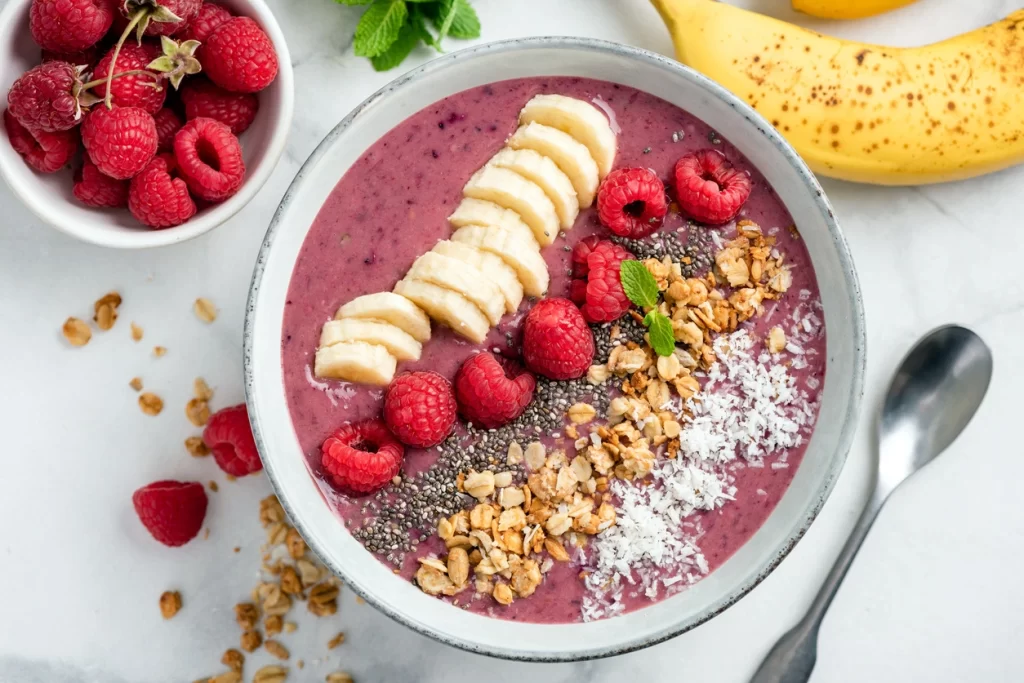
- Smoothies, which are a blend of fruits and yogurt, are perfect for this healing period. Avoid using fruits that have seeds.
- Crumbled, soft muffins that are moist and feature simple, flavorful toppings.
- Moist Applesauce Cake.
- Rice Pudding with a milk base. It is creamy and soothing to the mouth.
- Fruit Sorbet is light and refreshing. It is low in fat, as it is prepared with minimal dairy and will quench your thirst and cool your palate.
- Strained Mashed Berries are great for use on soft pancakes and oatmeal. They are a good source of vitamin C and the antioxidant anthocyanins.
Essential Tips for Eating After Having Dental Surgery
- Don’t use straws. The sucking involved will dislodge blood clots and cause dry sockets in your mouth.
- Eat only lukewarm or cool foods during the first 24 hours following your surgery; never anything extremely hot or cold.
- Gently rinse your mouth with warm, salty water after every meal. This hygiene practice helps keep your mouth clean and free of bacteria.
- Eat food in small portions or a mashed form. Never stuff your mouth full of food.
Useful resources: Here’s a detailed postoperative guide for you to follow by the Oral Surgery Group.
Conclusion
Your complete recovery following dental surgery depends primarily on your dietary choices. With these 50 soft foods to eat after dental surgery, you have nothing to worry about when planning your postoperative diet.
Do you want something packed with proteins or a comforting dessert? Worry less, as there is plenty of variety to cater to your nutritional needs during your recovery.
Again, avoid eating anything too hot or too cold, too spicy, too crunchy, or acidic until your dental surgeon certifies your palate to be fully healed from the surgery. Always attend your follow-up appointments and follow your dentist’s instructions.